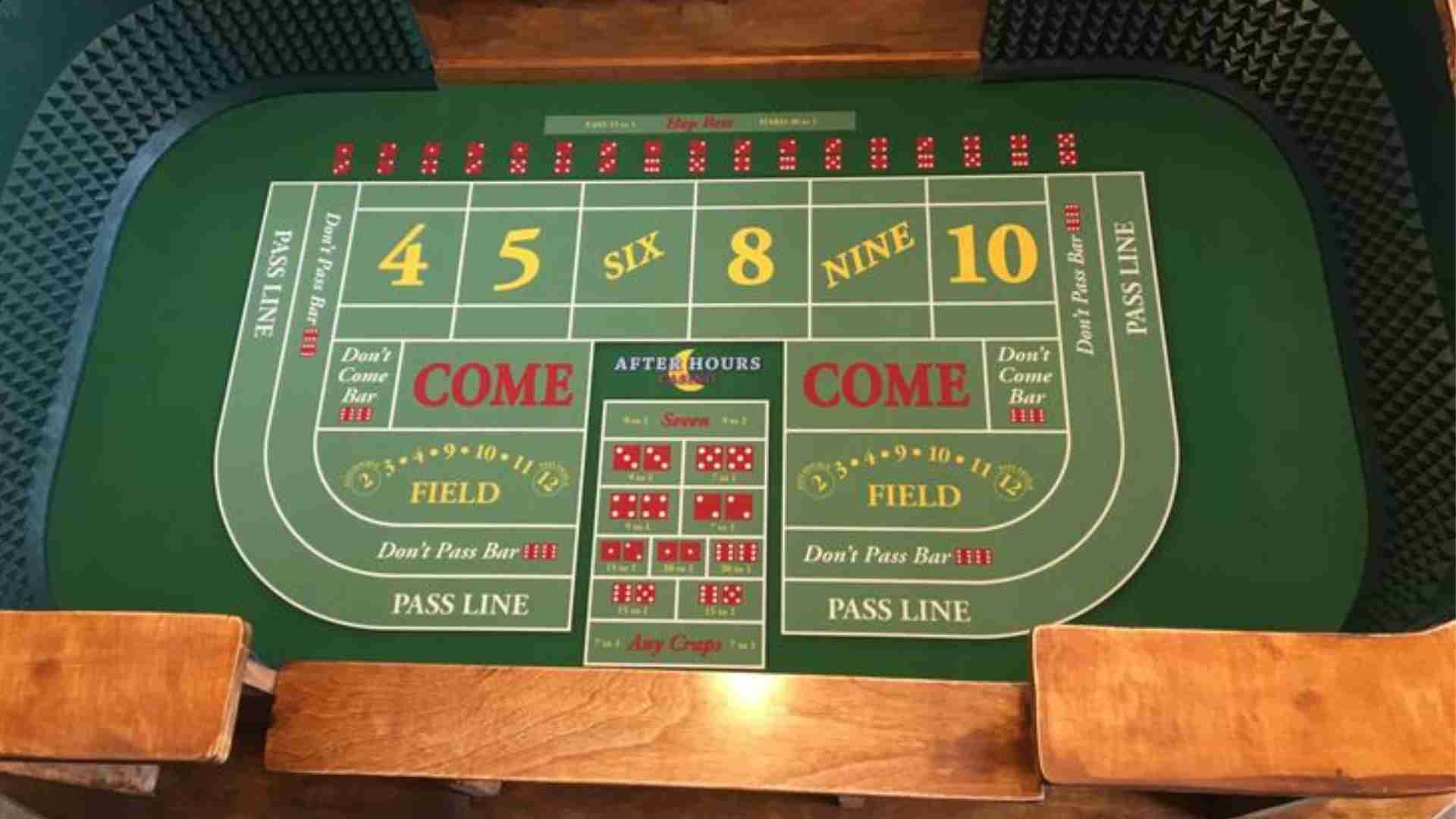
The rise of digital media has changed how audiences interact with online systems, turning passive viewing into active participation. Among the most popular tools used today are interactive wheel challenges, which capture human attention through immediate feedback and structured suspense. By blending simple mechanics with dynamic presentation, these elements turn everyday online tasks into highly engaging milestones.
The Core Psychology of Visual Deceleration
Much of the charm associated with spinning interfaces comes from watching the indicator slow down in real time. This movement allows the human brain to calculate potential outcomes as they happen, creating a brief window of heightened curiosity. The short transition from high-speed rotation to a complete standstill provides a natural narrative arc that keeps users focused on the screen.
Furthermore, research shows that unpredictability can increase user focus far more than a fixed reward structure. When the final landing zone remains unknown, participants experience a healthy wave of anticipation that elevates the overall session. This biological loop explains why randomized formats remain common across modern gaming setups and entertainment apps.
Enhancing Connection Through Personal Input
Modern developers focus heavily on building interactive elements that give participants a greater sense of personal involvement. Instead of static scripts that run automatically, contemporary layouts allow users to choose specific styles, select reward pools, or trigger the motion themselves. This basic level of choice changes the relationship between the user and the software interface.
When individuals feel their interaction impacts the event, they become more emotionally invested in the final result. For instance, accessing a platform through a secure m88.com login highlights how customized systems streamline user access while building immediate interest. This personalized approach reduces friction and ensures that audiences remain focused from start to finish.
The Balance of Multi-Tiered Reward Layouts
Successful wheel designs often avoid a single winner-take-all outcome, opting instead for varied tiers of recognition. Dividing the circle into major, moderate, and small baseline perks helps maintain a balanced distribution of outcomes. This arrangement ensures that participants feel their time is valued even when they miss out on top jackpot tiers.
From a consumer perspective, minor items like extra play credits, small digital collectibles, or loyalty points add up to sustainable satisfaction over time. This structure moves the user mindset away from pure luck toward an ongoing appreciation of the interactive loop. A fair layout builds long-term retention by honoring the participant's effort throughout the activity.
Developing Realistic Expectations for Shared Fun
While the visual design of these events suggests physical balance, digital versions rely entirely on randomized background calculations. Sophisticated software engines determine the exact stopping destination the millisecond the rotation is initialized. Recognizing this technological reality helps players enjoy the activity with clear boundaries and accurate expectations.
Approaching each round as a separate event prevents common misunderstandings regarding past performance and future outcomes. Appreciating the structural discipline operating behind the scene keeps the interactive experience safe, sustainable, and highly entertaining. Ultimately, these interactive challenges thrive by providing clean design, clear transparency, and a perfect touch of mystery.